
Learning English vocabulary in unexpected places: Temu
Have you ever downloaded the Temu app? If you’ve come across their ads, chances are you’ve been tempted. Many of us have installed it, intrigued by something that seems useful, only to end up deleting it later—maybe a little overwhelmed by all the options. If you’re already familiar with the app, you know what we are talking about. We’re not here to push consumerism, just to explore what Temu has to offer… language-wise.
For those not familiar with it, Temu is an online shopping platform that launched in the U.S. in September 2022. It became popular very quickly because it focuses on direct connections with Chinese manufacturers, cutting out middlemen to provide items at a fraction of the cost found on competitors like Amazon. By December 2023, Temu was one of the top retail sites in the world, with 467 million visitors in a month. It is available in 48 countries, and its app has been downloaded more times than popular apps like TikTok and Instagram.
You don’t need to spend any money to benefit from it. Browsing the site can help improve your English vocabulary by exposing you to different words and phrases in product descriptions and customer reviews. Whether you’re looking at fashion, gadgets, or home goods, reading through various categories offers a great opportunity to learn new terms in a real-life context.
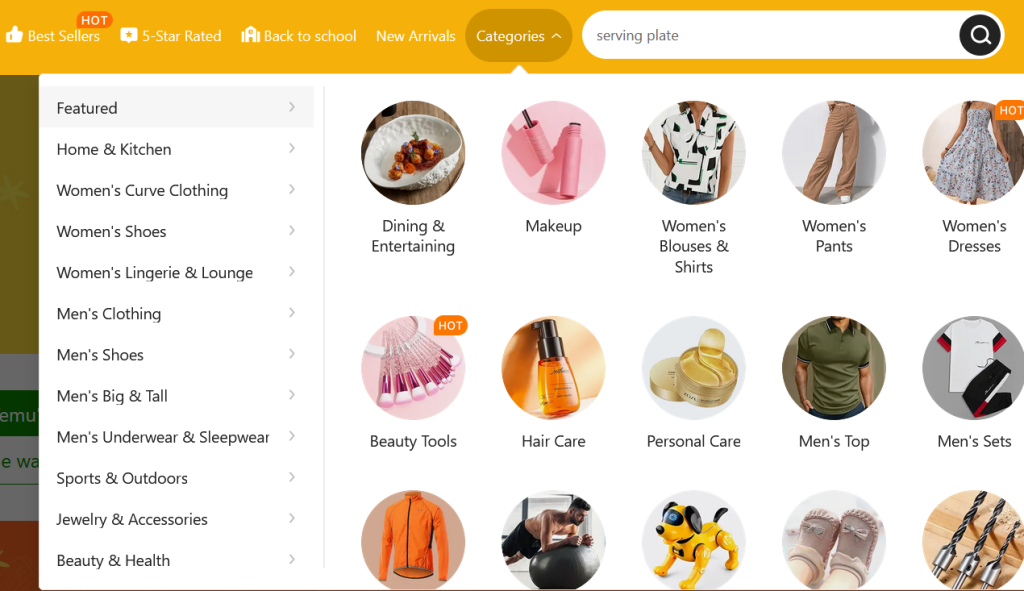
To begin, you could use your phone – but this means the app needs to be downloaded. On a computer you could go straight to the site and start exploring.
Then, pick a category you find interesting: anything from Home Storage & Organisation to Pet Supplies or Beachwear.
Choose something you’d find useful or just have fun exploring products you never knew existed. It’s not about actually buying anything—just enjoy the discovery!
Let’s go through 4 ideas for using Temu… to learn English:


1: Adjective search game
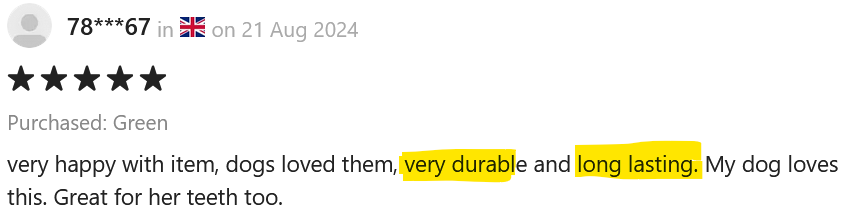
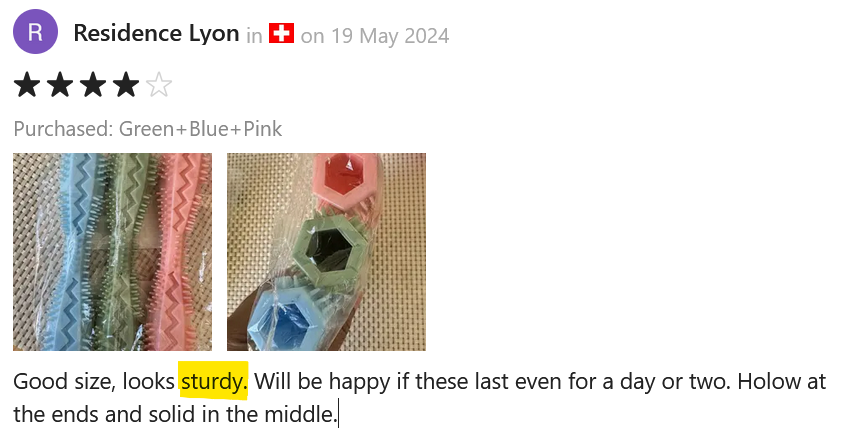
Browse through different categories and look for descriptive adjectives used in the product titles. For example: Find words like „durable,“ „lightweight,“ „sturdy,“ „portable,“ etc.
Ask yourself, „What other words mean the same or almost the same as this?“ Use your an online dictionary or your phone to find synonyms. Write down 1-2 words that mean the same (durable: strong, long-lasting).
Then ask, „What is the opposite of this word?“Again, use your dictionary or phone to help. Write down 1-2 words that mean the opposite (durable: fragile, weak).
Then check the reviews. What adjectives do people use? Are they the same as the ones in the description? Do the adjectives in the reviews give positive or negative feedback?
2. Category challenge for specific vocabulary
Pick a category (e.g., kitchenware, clothing) and find products: write down a few products, for example: you will see items like „knife,“ „blender,“ „cutting board,“ „microwave,“ „spatula.“
Then start grouping them by type or function:
- Group by Type: This means grouping similar kinds of items together.
- Utensils (tools you use to eat or cook): knife, spatula.
- Appliances (machines that use electricity): blender, microwave.
- Group by Function: This means grouping items based on how they are used.
- Example:
- Cutting tools: knife, cutting board.
- Cooking tools: blender, microwave, spatula.
- Example:
3. Finding words with common endings
Find a product on Temu that has a descriptive word ending like „-proof“ or „-resistant“ (like „waterproof“ / „leak-proof (not allowing the escape or entry of liquid)“ or „heat-resistant“).

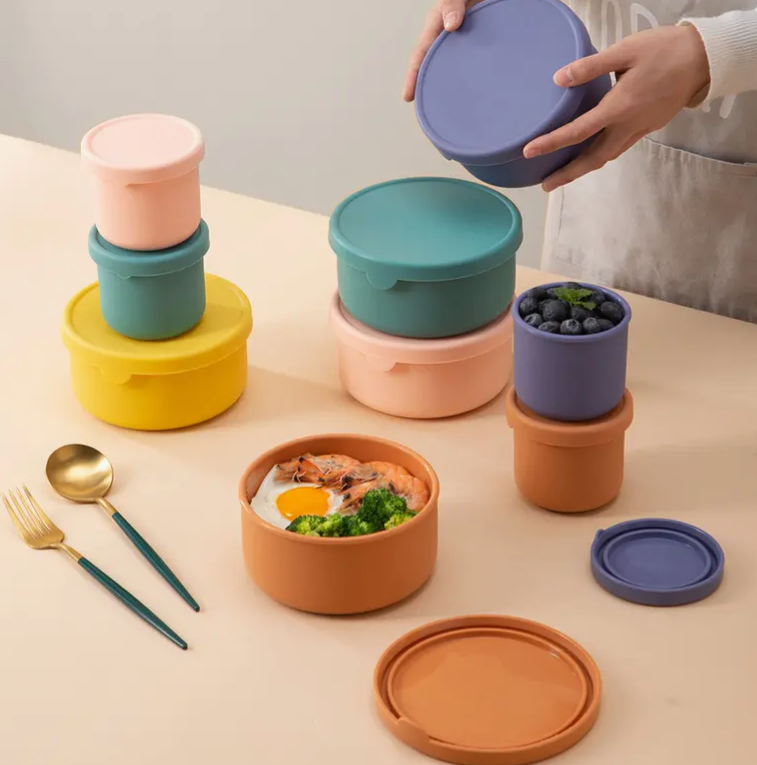




Write down the word: for example, if you see „waterproof,“ write it down. Then try to think of other words that end the same way or have a similar pattern. For example:
- Leak-proof
- Fireproof
- Childproof
An extra step you could take is to search for more words you could use a dictionary or a website like OneLook. Type in „*proof“ (the asterisk (*) acts as a wildcard to find any word that ends with „proof“). Then filter for the most common ones only + adjectives:
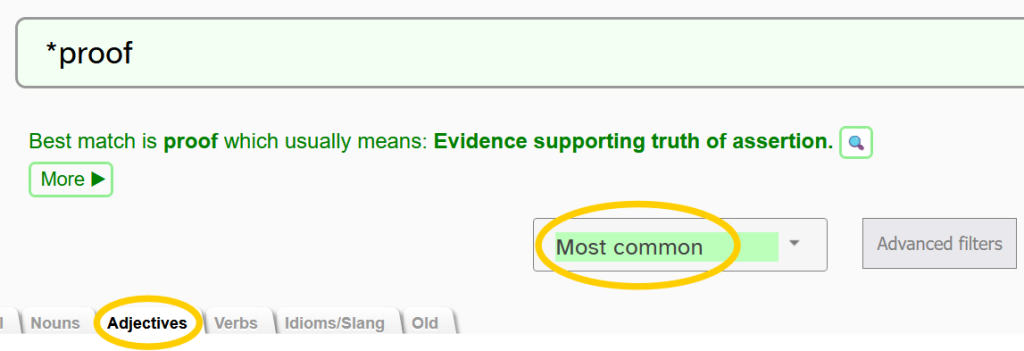
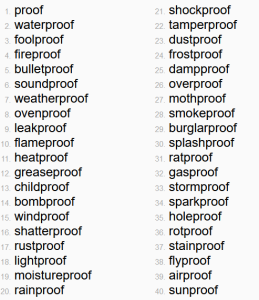
Below you cans see part of the list that comes up. You could use some of the adjectives and find products with this description.
Other common word endings include:
-free (without something): sugar-free, gluten-free, smoke-free
-friendly (safe or suitable for certain users or the environment): eco-friendly, user-friendly, child-friendly
-less (without or lacking something): wireless, odorless, effortless
-able / -ible (capable of being or able to do something): washable, breakable, flexible
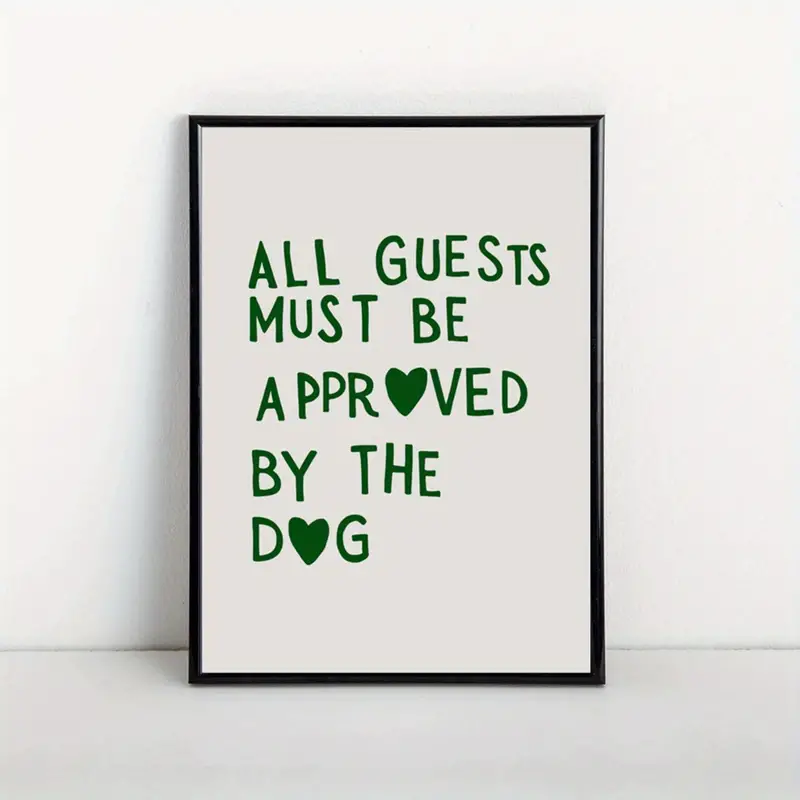
4. Explore „wall art“ categories for useful or catchy phrases
Browse through categories like “home decor,” “posters,” or “wall art” and look for posters that feature nice phrases or subtle designs.



Takeaway Tips for Learning Vocabulary Through Temu
- Keep a Vocabulary Notebook:
Write down new adjectives from product descriptions and their synonyms and antonyms. Don’t forget to review these words later. - Group Items by Type and Use:
Organize products you find (like kitchen tools or gadgets) into groups by type or how they are used. This helps you learn words in context. - Learn Common Word Endings:
Write down words that end in -proof, -resistant, -free, -friendly, -less, and -able/-ible. You can use sites like OneLook to find more examples. - Read Product Reviews:
Look at the adjectives (describing words) in product descriptions and compare them with the reviews. Reviews often use real-life words, both positive and negative, which help you understand better. - Practice Writing Sentences:
Write 2-3 sentences using the new words you’ve learned. This helps you practice and remember the words. - Explore Posters and Designs:
Browse categories like home decor or wall art to find posters with simple phrases or nice designs.